What Actually Changes on the Trails at Three Runs Plantation Once Fall Arrives
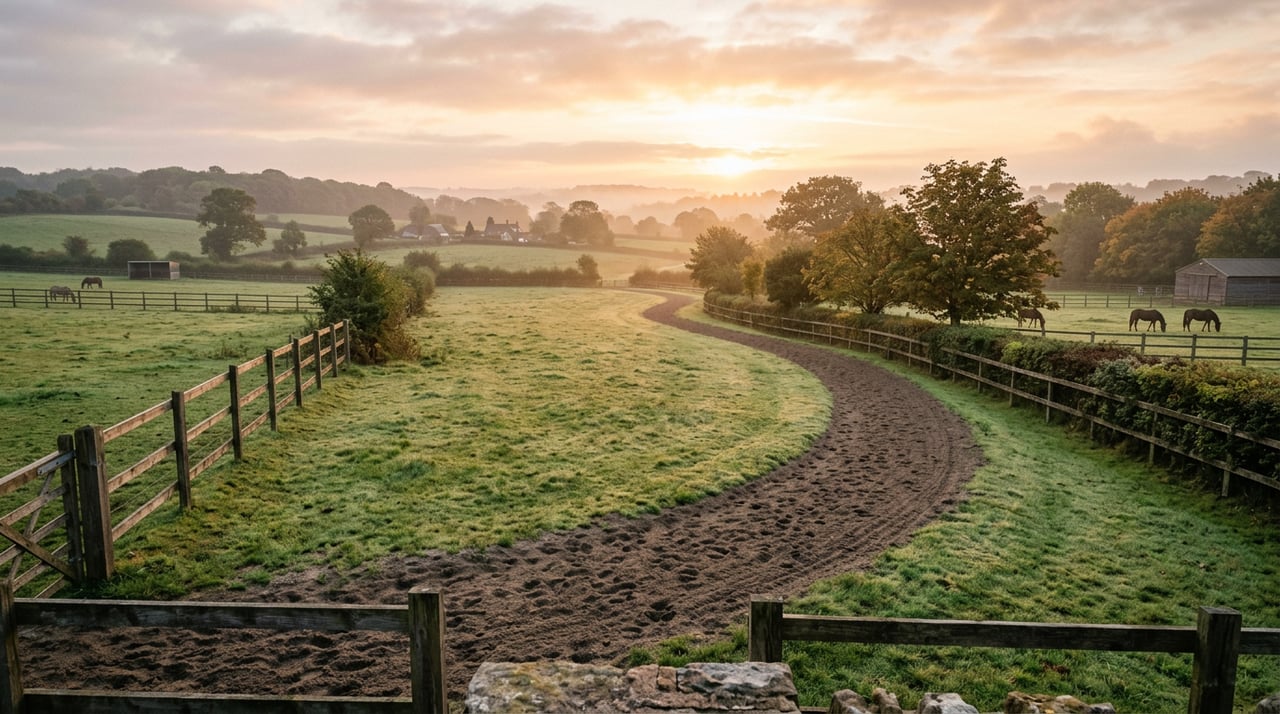
By the third week of September, the light over Three Runs Plantation starts pulling back earlier than most residents expect. A ride that comfortably filled the hour after work in July now runs into dusk by 7:15. The footing on the galloping lanes, baked hard through late summer, starts holding just enough moisture overnight to change how a horse's stride feels by 8 a.m. And more than a few residents will walk up to the South Complex gate on a Saturday morning and find a chain draped across it, a quiet signal that the arena is resting rather than open for use.
None of this is dramatic. But it is the season doing what it does here, and the reason it barely disrupts anyone's routine has less to do with luck and more to do with a decision the community made when it was built.
Three Runs Plantation sits on roughly 2,400 acres, and the trail system running through it covers more than 30 miles, threading past Cedar Creek and Three Runs Creek through woods, savannahs, and rolling ground. That much is on the community's own site and echoed across the MLS listings that reference it. What the acreage number doesn't tell you is how a rider actually gets from a barn aisle to that trail network without crossing a fence line that isn't theirs.
The answer is a 20-foot easement built into every property boundary. Every lot in Three Runs Plantation carries this access strip, which means the trail loop never depends on a single owner's goodwill to stay connected. If one homeowner puts up a new paddock fence or plants a hedge along their property line, the trail doesn't dead-end. It routes around, because the right-of-way was written into the land plan before any of the current fencing existed.
That detail matters more in October than it does in June. Fewer daylight hours mean more residents are riding shorter loops close to home instead of hauling to a farther section of trail. A network that only worked because neighbors happened to be accommodating would start fraying exactly when people needed it most. One designed with a guaranteed easement on every lot doesn't have that failure point. You can pick up the trail from your own back gate in November just as easily as you could in July, because the 20 feet next to your fence line was never yours to close off in the first place.
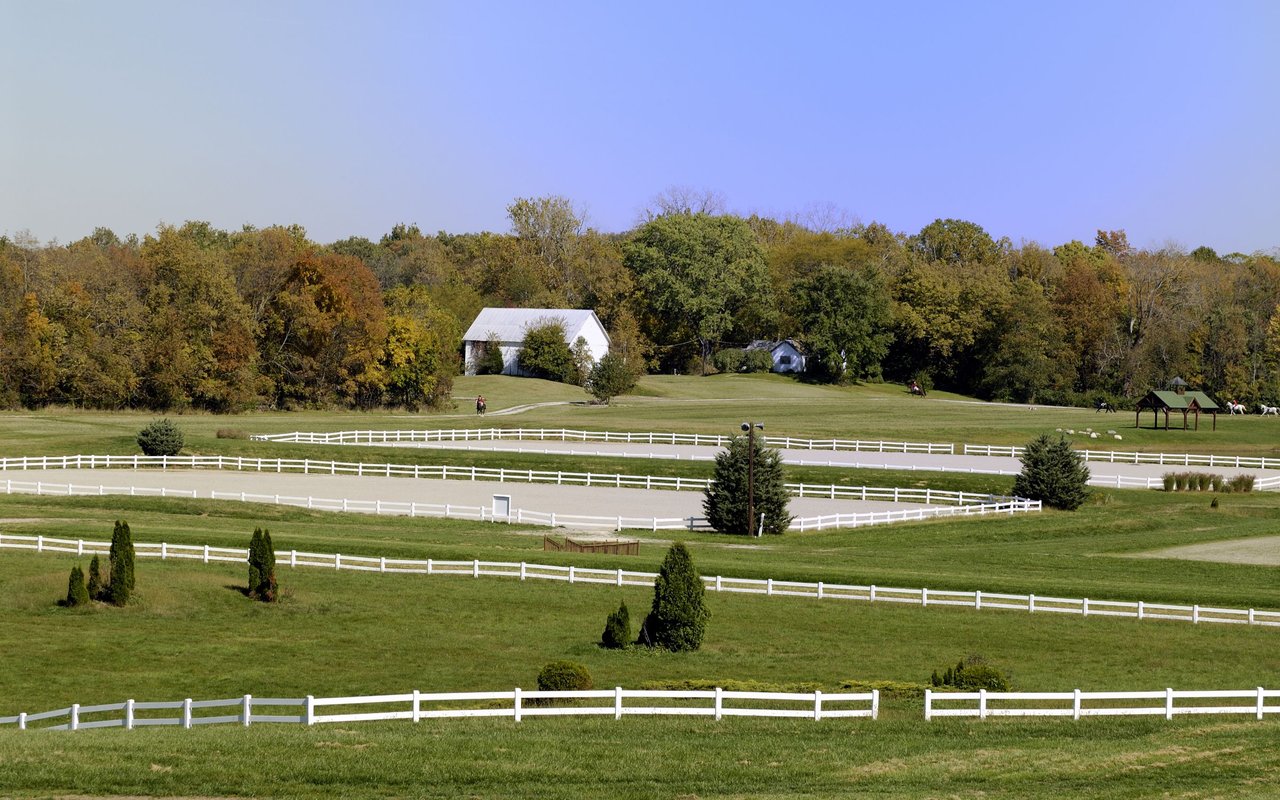
Riders here aren't limited to trail work. The community maintains two separate riding complexes: the Clubhouse Complex, with a competition-level jump arena and a mirrored dressage arena, and the South Complex, which adds a cross-country schooling course on top of its own jump and mirrored dressage arenas. Between the two, most disciplines have a place to work that doesn't require leaving the neighborhood.
Both complexes run on the same house rules, and a few of them are worth knowing before you assume an empty arena is available:
That last rule explains a scene that trips up newer residents almost every fall. Wet leaves and heavier rain mean footing needs more maintenance passes than it did in August, so arenas get closed more often for grading and drag work. If you've only ever ridden here in the dry months, the first time you find a rail across the gate can feel like an oversight. It isn't. It's the system working as designed, and it's also exactly why the trail network exists as more than scenery. When an arena closes for an afternoon, the 30 miles of trail outside the gate is the fallback that keeps a riding day from being cancelled outright.
Put the two pieces together and the pattern becomes clear. The trail network's guaranteed easements keep it open regardless of what any single property owner does with their fence line. The arena closure signal keeps riders out of a ring that isn't safe to use that day. Fall is the season when both of those design choices earn their keep at the same time, because it's when footing needs the most attention and daylight gives you the least room to improvise.
A well-designed subdivision amenity page will tell you a community has trails and arenas. What it usually won't tell you is how those two things are meant to work together when conditions turn, which is the actual test of whether an equestrian community was planned by people who ride or planned by people who were told riders would like it.
There's a longer thread here too. Three Runs Plantation's founder, Wayne Raiford, appears as a named supporter of the Aiken Land Conservancy as far back as 2011, the same organization that holds easements protecting creek corridors and pasture across the county. That's not a coincidence with how the trail system was laid out along Cedar Creek and Three Runs Creek rather than cut straight through open pasture. A conservation-minded hand in the original plan tends to show up later as trails that follow water instead of fighting it, which is part of why the footing along those stretches holds up as well as it does once the rain starts.
If you're riding out from home over the next few weeks, a couple of habits make the transition easier. Check the gate before you tack up, not after, since a chain or rail across either complex saves you a wasted walk. Build your loop with the easement system in mind rather than defaulting to the same stretch of trail you rode all summer. And if you're hosting anything at the Outdoor Pavilion this fall, know that private functions with outside guests carry a refundable cleaning deposit, a detail worth confirming with the HOA office before you finalize plans for a post-ride gathering.
None of this changes what makes Three Runs Plantation work as a place to keep horses. It just becomes more visible once the season stops being forgiving. The trail network, the easements, and the arena rules were built as one connected system, and fall is when you actually feel the connections.
If you're thinking about what a property here would need to fit your own riding routine, or you're weighing a move into a community built this deliberately around daily horse life, Distinctive Horse Properties is a good place to start that conversation. Let's Connect.

As the founder of Distinctive Horse Properties and Operating Principal and co-owner of Keller Williams Aiken Partners, Lea combines high-level leadership, refined marketing, local insight, and concierge-level service to help buyers and sellers navigate equestrian real estate with confidence, clarity, and care.
Lea Mccullough
Address 237 Park Avenue SW STE 101 Aiken, SC 29801