What to Look for When Touring a Horse Property in Aiken, SC
Touring a horse property is very different from touring a traditional home. A beautiful kitchen and spacious primary suite may catch your attention, but the land, barn, fencing, water access, and overall functionality of the property will have a much greater impact on your daily life with horses.
Aiken offers an incredible variety of equestrian real estate, from private farms and professional training facilities to homes within established horse communities. However, not every property with acreage is truly horse-ready.
Before falling in love with the view, take time to evaluate how well the property will support your horses, riding goals, and daily routine.
The number of acres is important, but usable acreage matters more than the total number listed.
A property may include wooded sections, wetlands, steep slopes, easements, or other areas that cannot realistically be used for turnout, riding, or future improvements. Walk as much of the land as possible and consider:
Pay attention to the condition of the grass, evidence of overgrazing, unwanted vegetation, erosion, and bare areas around gates and water sources. Healthy-looking pasture can reduce the amount of work required after closing, while neglected land may need reseeding, soil improvement, drainage work, or weed control.
Aiken is known for its sandy soil, which can offer excellent drainage in many locations. However, conditions can vary from one property—and even one pasture—to another.
Look for standing water, deep mud, washed-out areas, erosion, and watermarks inside barns or sheds. Ask what happens after several days of heavy rain and whether any fields become difficult to use during wet weather.
Drainage is especially important around:
Correcting a significant drainage issue can be costly, so it is better to identify potential problems before making an offer.
Do not assume existing fencing is safe simply because horses are already living on the property.
Walk the fence lines and inspect the posts, boards, wire, gates, and corners. Look for loose boards, protruding nails, sagging wire, damaged posts, gaps, or areas where a horse might become trapped. Also consider whether the fencing style is appropriate for your horses.
Ask yourself:
Even minor-looking repairs can become expensive when multiplied across several acres.
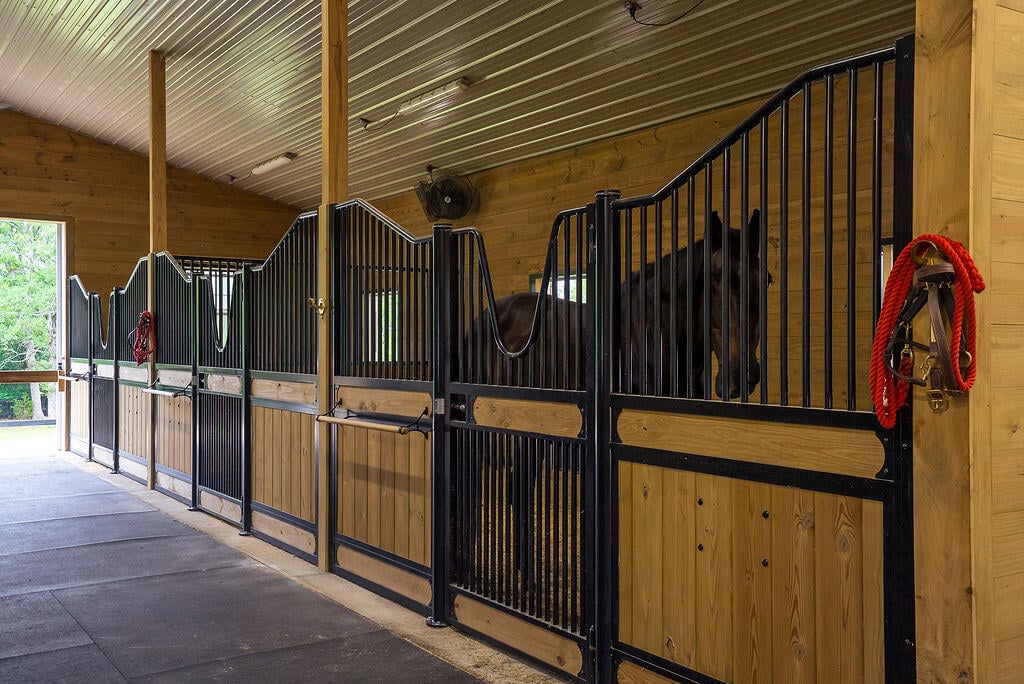
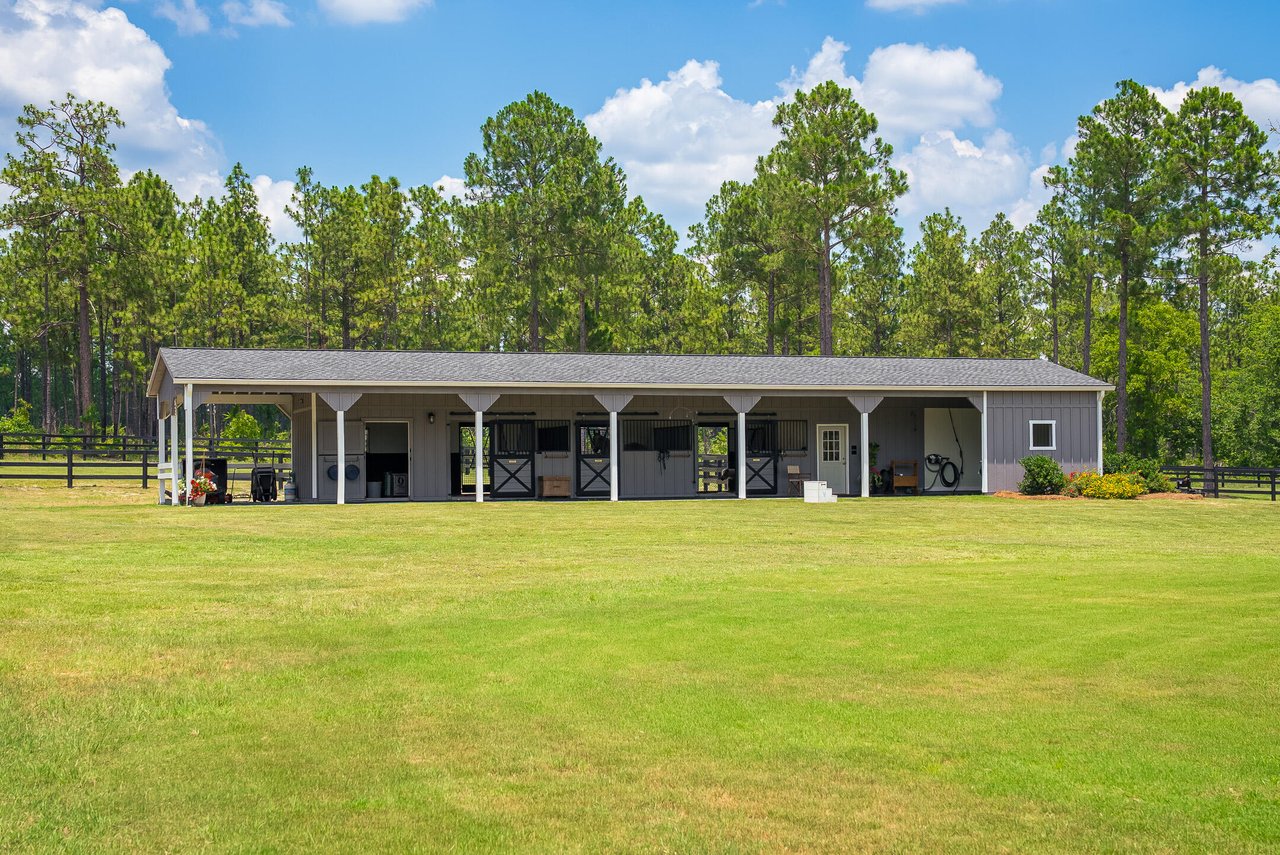
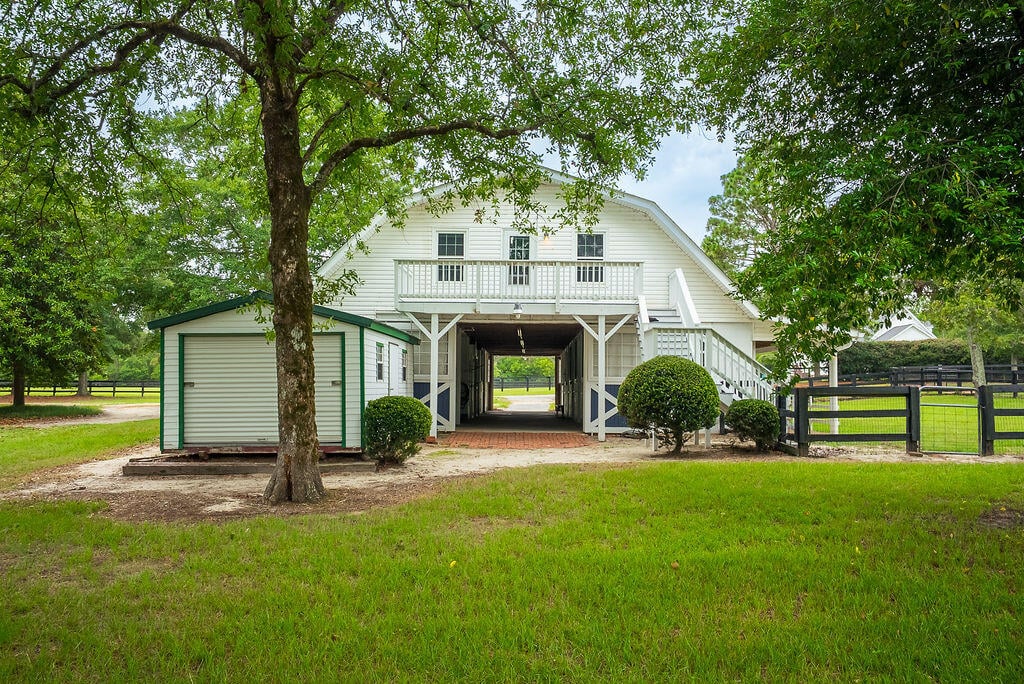
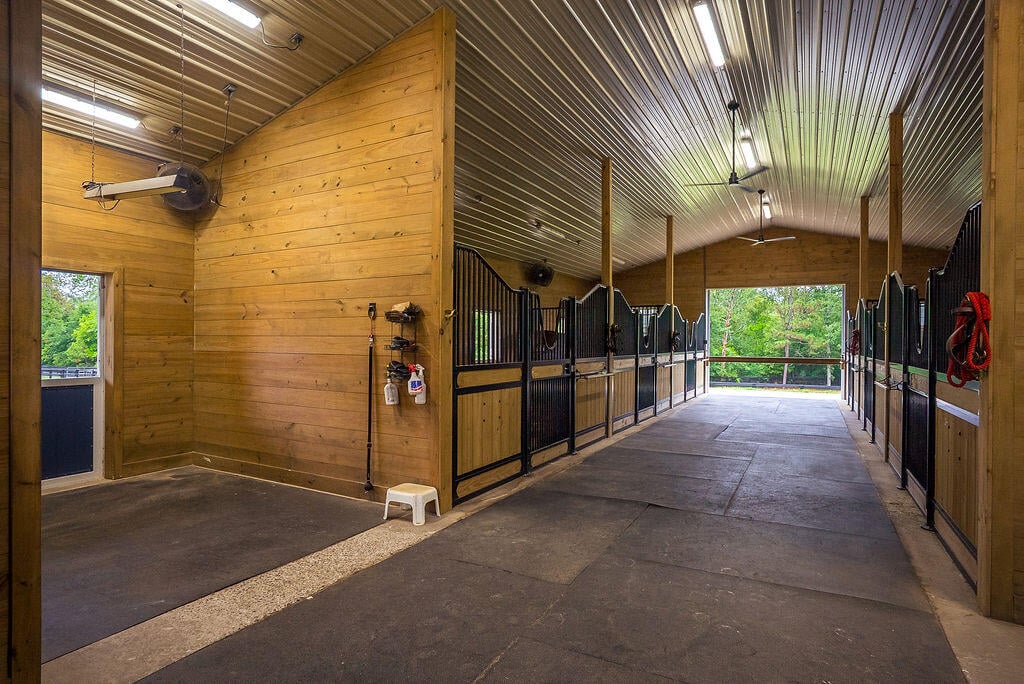
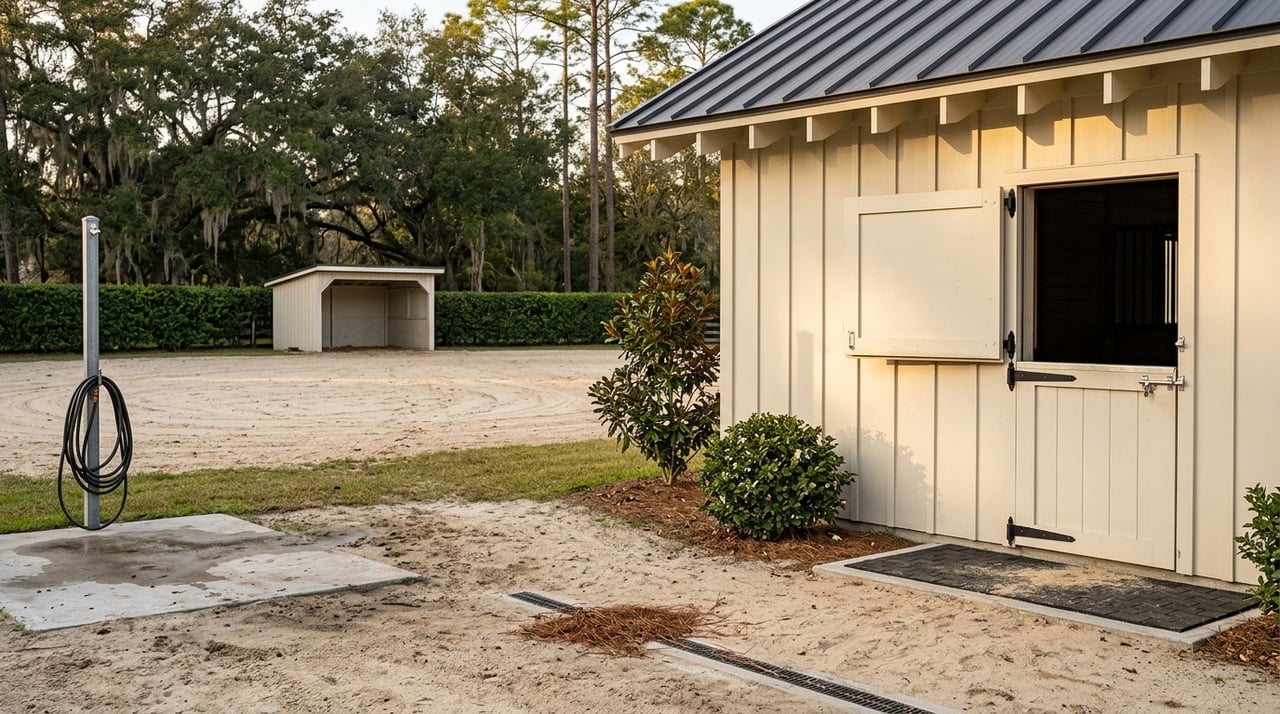
A beautiful barn is wonderful, but function and safety should come first. Imagine completing your daily routine in the space during summer heat, winter mornings, and bad weather.
Inspect the barn for:
Think about how horses, people, hay deliveries, tractors, and trailers will move through the property. A barn should make everyday chores easier rather than creating unnecessary extra steps.
As a former owner of a 15-horse boarding facility, I know that property flow can make an enormous difference. A barn may photograph beautifully but still be frustrating to operate if the turnout, storage, water, and access points are poorly arranged.
Reliable water is essential for any horse property.
Determine how water reaches the barn and each pasture. The property may use a private well, public water, ponds, automatic waterers, or a combination of sources.
Ask:
If the property relies on a well, consider a separate well inspection and water-quality test. Do not assume a water source that serves the home will automatically meet the demands of multiple horses, wash racks, irrigation, and household use.
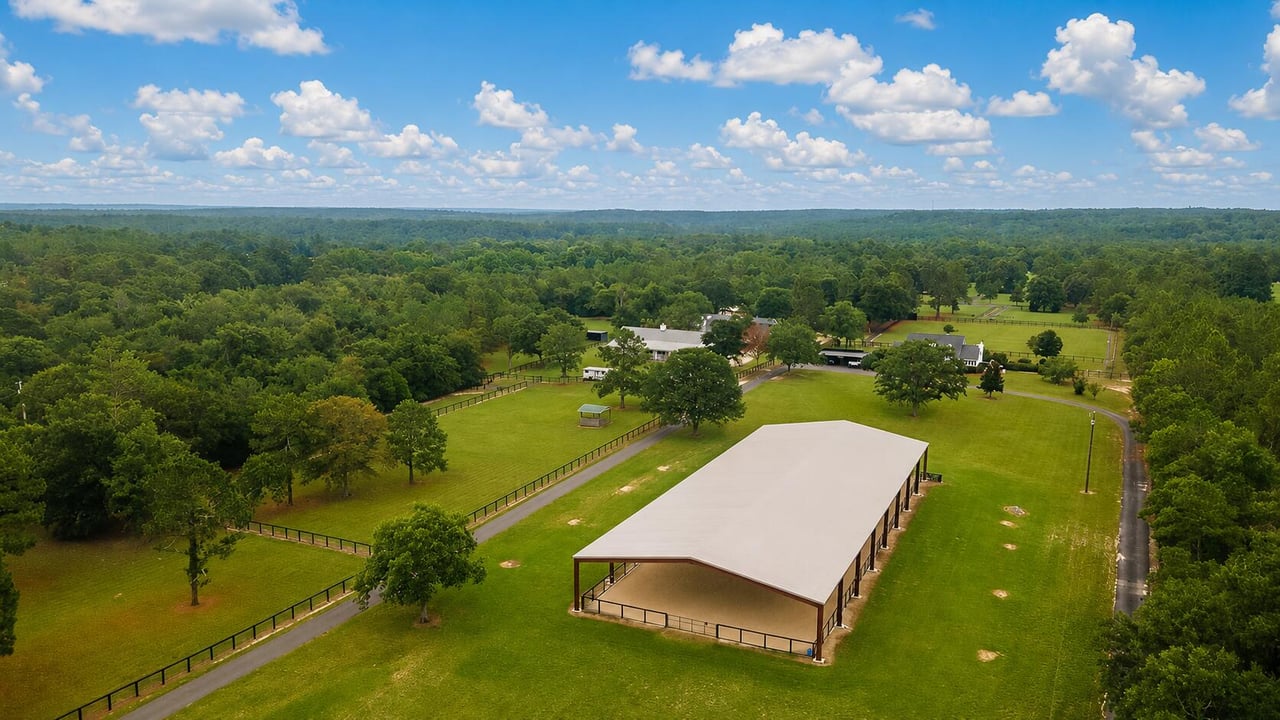
If the property includes an arena, look beyond its dimensions.
Arena footing, base construction, grading, and drainage are critical to its usability and long-term maintenance. Ask what materials were used, when the arena was installed, how it is maintained, and how it performs after rain.
Look for:
Restoring an arena can require a meaningful investment. If regular training is important to you, it may be worthwhile to have the arena evaluated by an experienced professional.
Bring your horse trailer—or at least visualize driving it through the property.
The entrance should be wide enough, the driveway should support the size and weight of your rig, and there should be enough room to turn around safely. Low branches, narrow gates, tight curves, soft ground, and steep driveways can create difficulties that are easy to miss during an ordinary showing.
Also consider whether a veterinarian, farrier, hay delivery vehicle, tractor, or emergency vehicle can reach the barn and pastures without difficulty.
Good access becomes especially important when transporting an injured horse or receiving large deliveries.
Never assume that horses, barns, arenas, or equestrian businesses are automatically permitted because a property has acreage.
Before purchasing, verify:
Aiken County’s Planning and Development Department handles permits and development approvals in the county outside the city limits of Aiken and North Augusta. Requirements may vary based on the property’s jurisdiction, so each parcel should be researched individually through the appropriate local authority. Aiken County Planning and Development
If you hope to add a barn, build an arena, operate a boarding business, or subdivide the property later, investigate those plans before closing.
A secluded farm may feel peaceful, but consider how its location will affect everyday life.
Evaluate the distance to:
Aiken has equestrian properties near downtown, along established horse-country corridors, within planned communities, and throughout more rural parts of the county. The ideal location depends on your discipline, schedule, desired acreage, and preferred balance between privacy and convenience.
It is easy to see a property’s potential, but every improvement has a cost.
Before making an offer, create a realistic list of work the property may need, such as:
Separate immediate safety needs from future wish-list projects. This will help you determine whether the property fits your true budget—not just its purchase price.
A home inspector is an important part of the buying process, but a standard inspection may not fully evaluate barns, fencing, arenas, wells, septic systems, ponds, pastures, or equestrian infrastructure.
Depending on the property, you may also need guidance from a:
Specialized evaluations can provide valuable information before you commit to a property.
The perfect horse property is not necessarily the one with the newest barn or the greatest number of acres. It is the property that safely and efficiently supports the way you want to live with your horses.
Buying an equestrian property requires someone who understands more than bedrooms, bathrooms, and square footage. The land, turnout, fencing, footing, water, barn design, trailer access, and flow of the farm all matter.
As a lifelong horsewoman, FEI dressage rider, former boarding-facility owner, and Aiken real estate professional, I understand these details because I have lived them myself.
If you are searching for a horse property in Aiken, South Carolina, I would be happy to help you evaluate your options and find a farm that works for both you and your horses.
Ready to begin your search? Contact Lea McCullough at Distinctive Horse Properties to explore available equestrian properties throughout Aiken and the surrounding area.
As the founder of Distinctive Horse Properties and Operating Principal and co-owner of Keller Williams Aiken Partners, Lea combines high-level leadership, refined marketing, local insight, and concierge-level service to help buyers and sellers navigate equestrian real estate with confidence, clarity, and care.
Lea Mccullough
Address 237 Park Avenue SW STE 101 Aiken, SC 29801